Why Lashes Shed and When to Take Notice

Finding a few lashes on a cotton pad can feel alarming, but lash shedding is usually part of the normal growth cycle. Like scalp hair, lashes grow, rest and fall before being replaced. The difference is that lashes are more visible when they shed, especially if they are long, dark or coated in mascara.
The concern is not occasional shedding. It is sudden, excessive, patchy or uncomfortable loss. If lashes are falling out in clumps, if the eyelid is red or scaly, or if there is pain, swelling or changes in vision, seek medical advice.
For more ordinary shedding, look first at routine. Are you rubbing your eyes because of allergies or tiredness? Are you removing mascara too quickly? Are you picking at lash extensions? Are you using an old curler pad? These habits can make shedding look worse by pulling out lashes before they would naturally fall.
Seasonal changes may also play a role. Cold air, central heating, changes in humidity and more frequent eye rubbing can leave lashes feeling dry. In these periods, a lower-friction routine is useful.
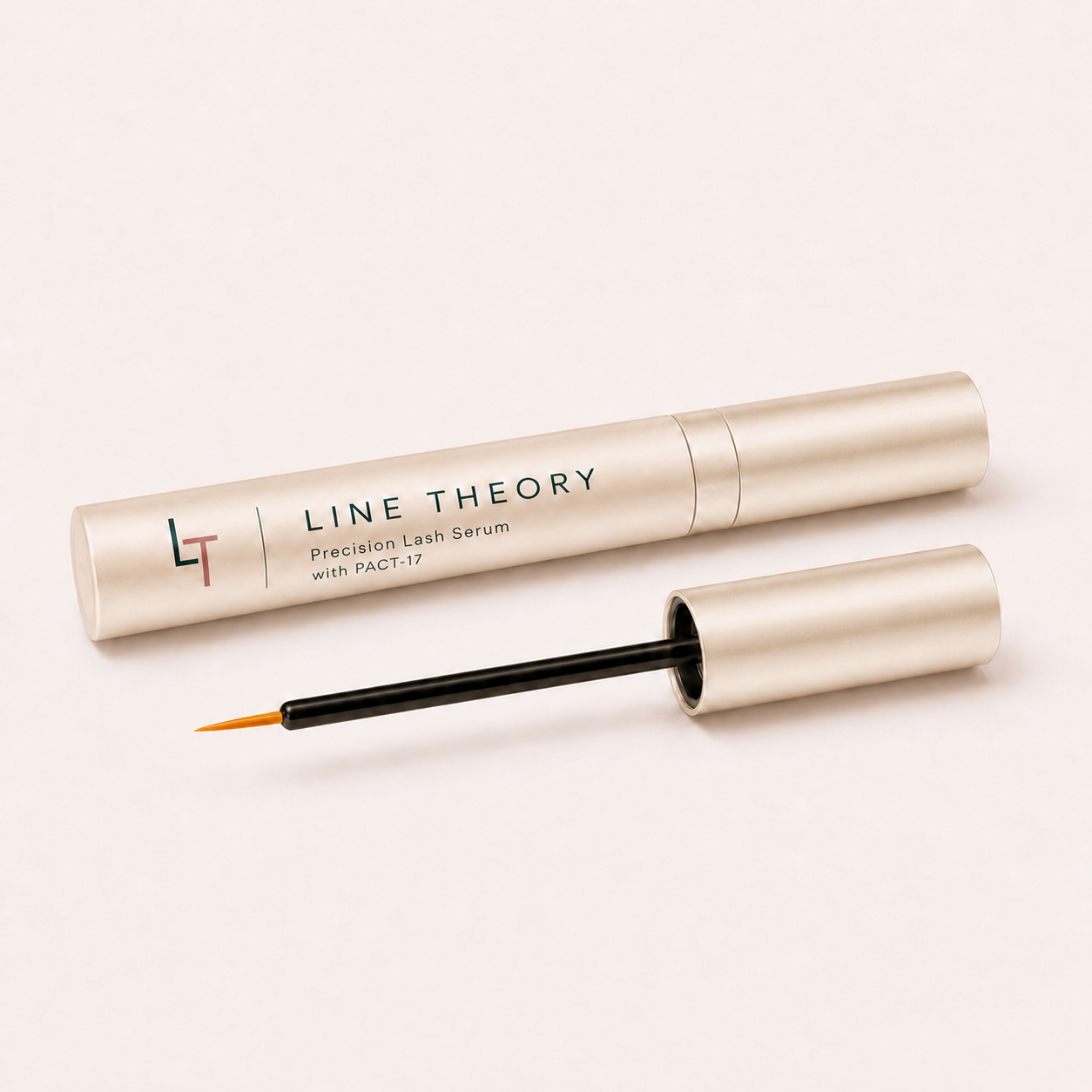
Line Theory Precision Lash Serum can be used as part of a steady lash-care plan when the lash line appears sparse or fragile. It should be applied as directed, with realistic expectations around timing.
Do not respond to shedding by adding multiple new products at once. The eye area is sensitive, and overcomplicating the routine may create irritation. Keep the basics consistent: gentle cleansing, clean tools, careful mascara removal and one targeted lash-care step.
Nutrition, stress and general health matter too. If shedding follows illness, major stress, pregnancy, surgery or medication changes, it may be connected to wider changes in the body. In those cases, cosmetic care can support appearance, but it should not replace professional advice.
The most reassuring point is that lashes are cyclical. A shed lash is not automatically a lost lash forever. With gentle handling and patience, the overall lash line can look better as new lashes come through.
Take notice, but do not panic. The right response is calm observation, reduced damage and consistent care.